The New Traditionalists
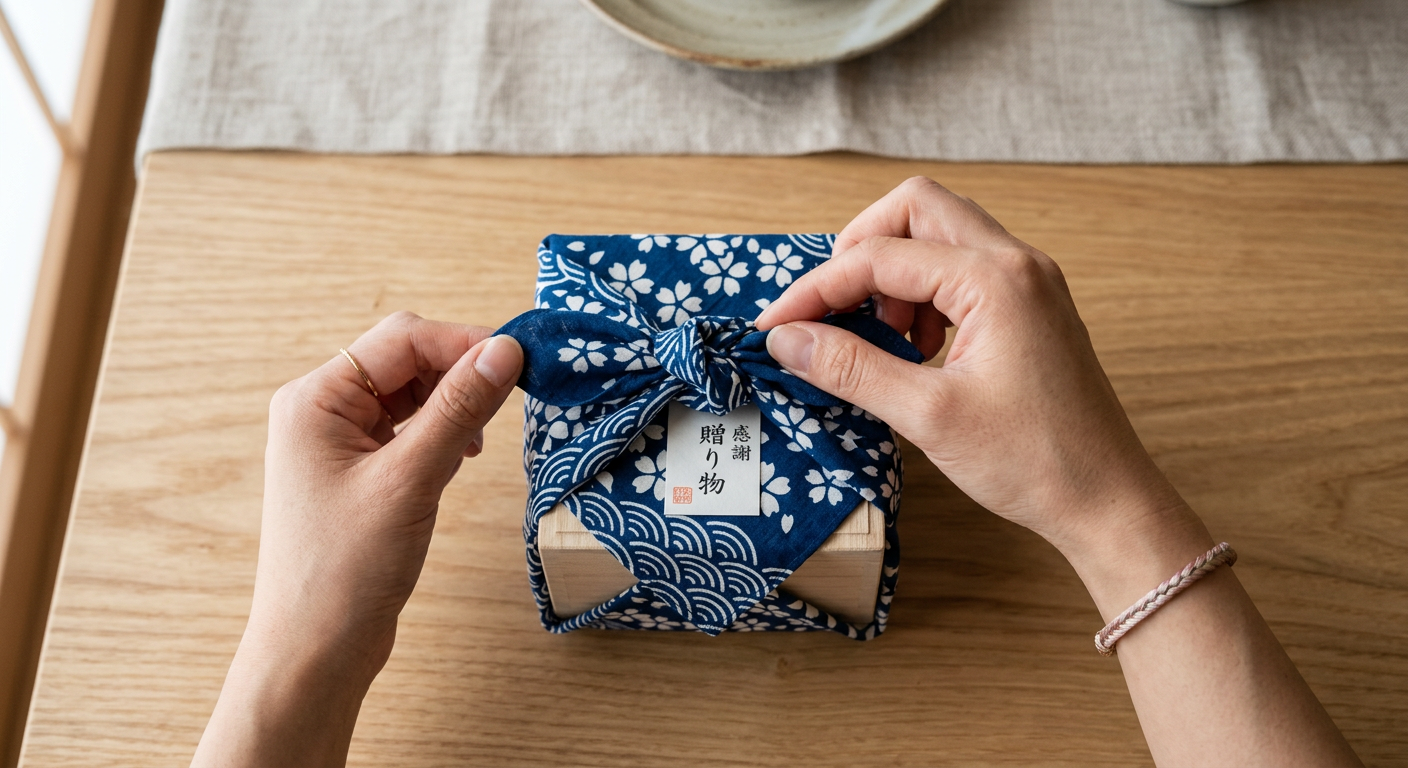
I was watching a documentary the other night about modern Japan, and something caught my attention. A young woman in her early twenties was carefully wrapping a gift. Not with the usual tape and scissors, but with a square of fabric, folding it with these precise, deliberate movements I’d only ever seen my grandmother do.
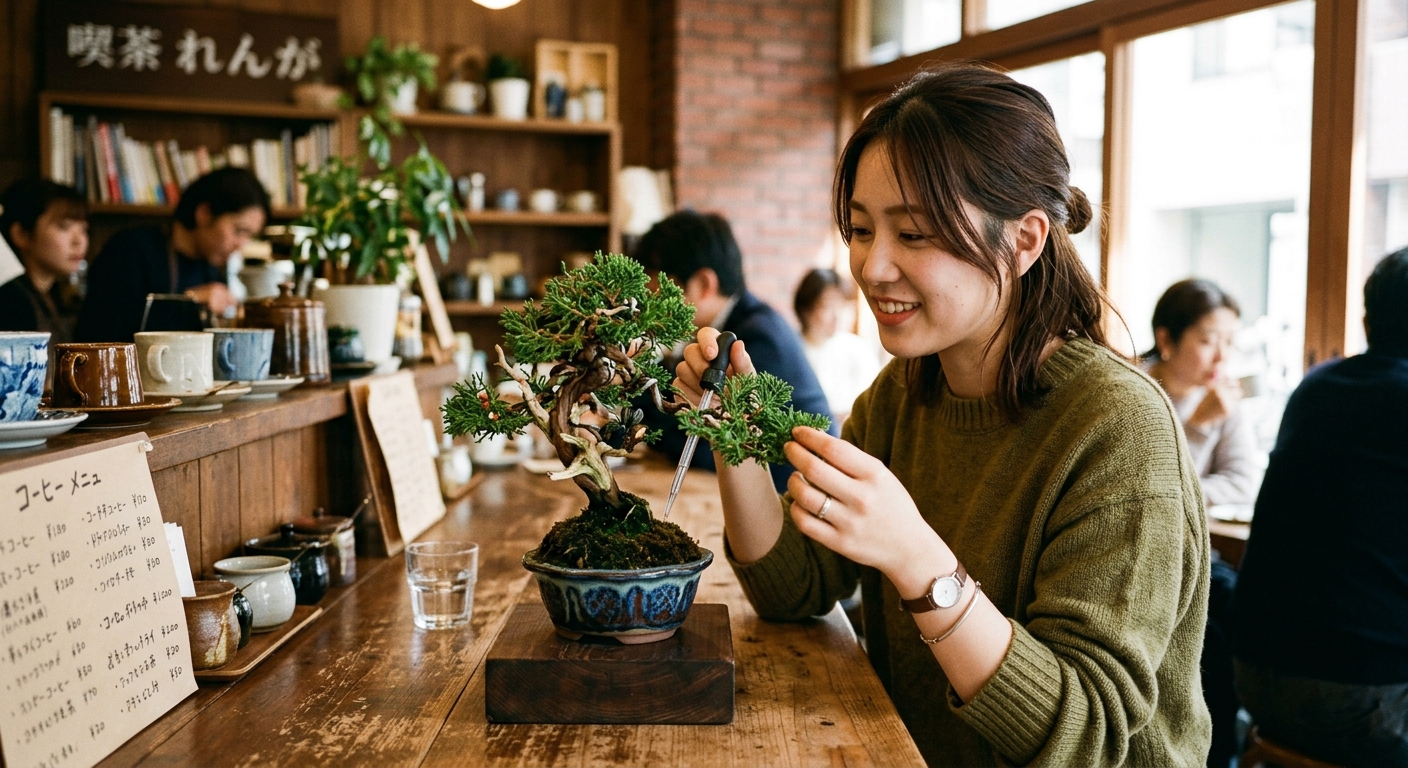
I didn’t think much of it until I started noticing it everywhere. A barista with a small bonsai tree on the counter, talking to it like a pet. A shopkeeper wearing a kimono jacket over jeans, the kind of casual mixing that would have seemed disrespectful a generation ago. A group of teenagers in a park, practicing what looked like calligraphy strokes in the dirt with sticks—not in a class, just on a Sunday afternoon.
It got me thinking. I’ve been coming to Japan for nearly three decades, and I’ve watched it change. But this feels different. There’s something happening with the younger generation here. They’re not rejecting the modern world—God knows they’re as glued to their phones as anyone—but they’re also… reaching back. Quietly. Selectively. Almost like they’re curating their own version of what it means to be Japanese.
I started digging around to see if I was imagining things. Turns out, there’s actually a whole movement happening right in Japan. The Japan Traditional Crafts Week (JTCW) is an annual event that brings together traditional crafts from across the country, showcasing masterpieces from each region’s history and traditions. It’s not just preservation—it’s active celebration.
I also found that Ippodo Gallery in Ginza, Tokyo regularly hosts exhibitions for the Japan Traditional Crafts Revitalization Contest winners. These aren’t museum pieces behind glass. They’re living crafts, made by artisans who are finding new ways to keep ancient techniques relevant.
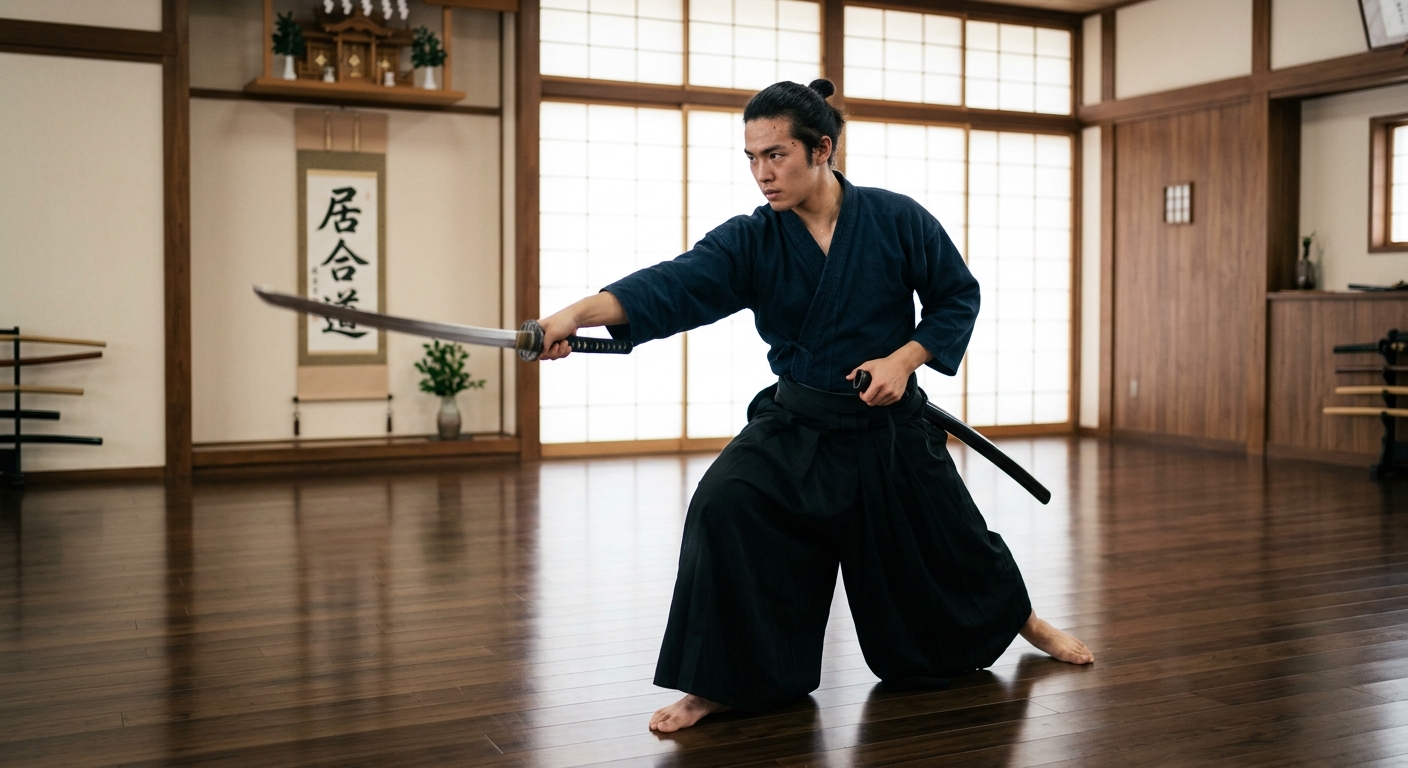
But it’s not just crafts. I discovered that young people are also reviving samurai arts—400-year-old Kobudo and Iaijutsu (quick-draw techniques)—not as historical reenactment, but as disciplined fitness and mental focus hobbies. They’re treating these ancient martial arts as practical tools for modern life, not just artifacts to be preserved.
The Japan Craft Association (Nihon Kogeikai) has been running traditional craft exhibitions for over 70 years, and they’re seeing renewed interest from younger generations who want to learn these skills not as a duty, but as a choice.
What makes this fascinating is that it’s not preservation for preservation’s sake. These young people are using technology to rediscover and share techniques that were dying. They’re creating hybrid culture that honors roots while refusing to be trapped by them. For a country often seen as caught between ancient ritual and hyper-modernity, this generation may have found the bridge.
I don’t have all the answers about where this is heading. But I’m paying attention now. Because if this generation can successfully bridge centuries-old tradition with modern life, there might be lessons there for all of us trying to find balance in an increasingly digital world.