Cooking
-
Hara Hachi Bu: The 80% Rule from Japan’s Longevity Islands
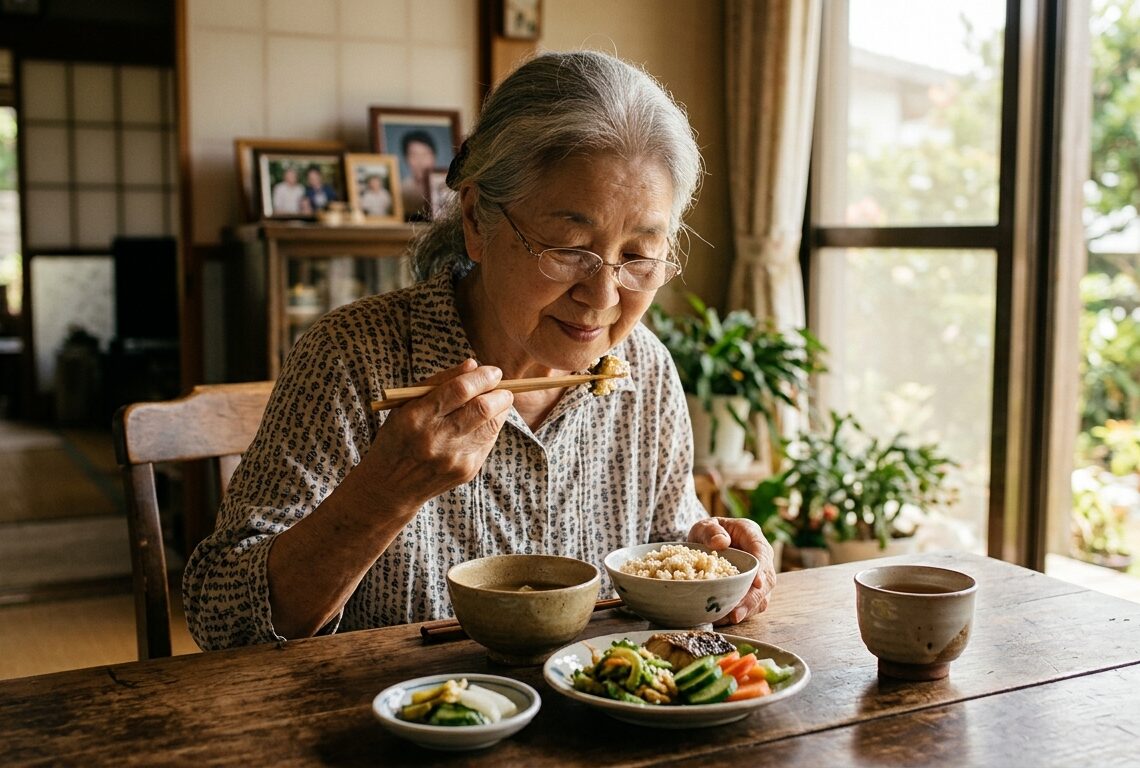
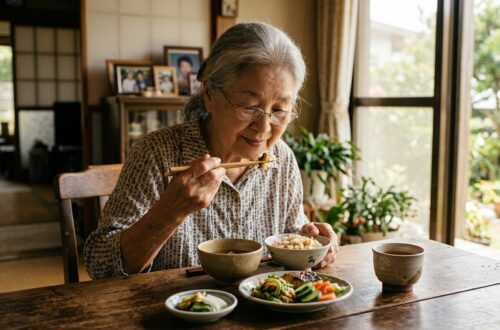
I was reading about Okinawa the other day—those islands south of mainland Japan where people routinely live past 100—and kept seeing the same phrase pop up. “Hara hachi bu.” Stomach eight parts full. Eat until you’re 80% full, then stop. It’s not about leaving food behind or wasting anything. Japanese culture values “mottainai” too deeply for that. Hara Hachi Bu is about knowing when to stop before you hit that stuffed, sluggish feeling. You serve appropriate portions, eat slowly and mindfully, and recognize the moment when you’re satisfied but not heavy. The brain takes 20 minutes to register fullness, so stopping at 80% means you end up perfectly content—not hungry,…
-
Washoku: Why Japan’s Young Generation is Rediscovering Traditional Food
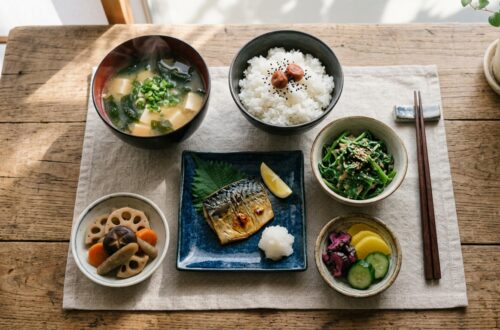
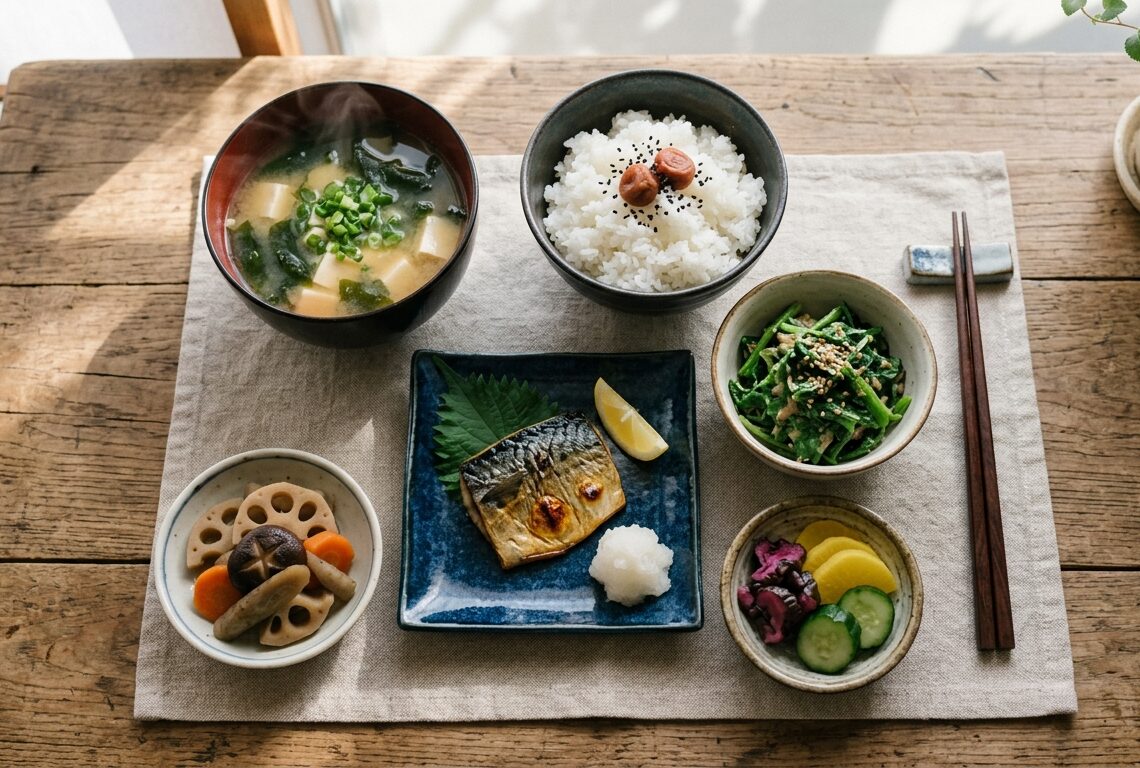
I was browsing a Japanese cookbook in a bookstore last week, admiring the beautiful photography, when something struck me. These intricate dishes—following the “one soup, three sides” structure, presented on seasonal tableware—felt completely foreign to me. Not in a bad way, but in a way that made me realize how little I knew about a cuisine I’d only experienced in restaurants. In 2013, UNESCO recognized Washoku—Japan’s traditional dietary culture—as an Intangible Cultural Heritage. It emphasizes fresh, seasonal ingredients at their peak (shun), nutritional balance, and artistic presentation. The “Wa” in Washoku means harmony—promoting bonds among family and community through shared meals. But here’s the paradox: while the world celebrates Washoku,…
-
A Bowl of Tea and Rice That Changed My Morning in Kumamoto
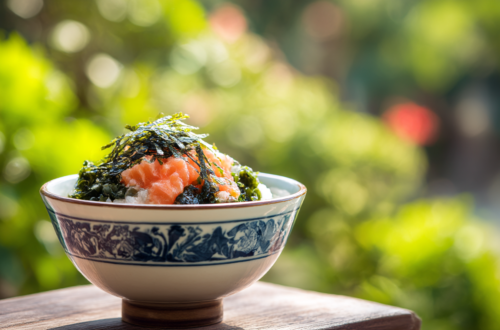
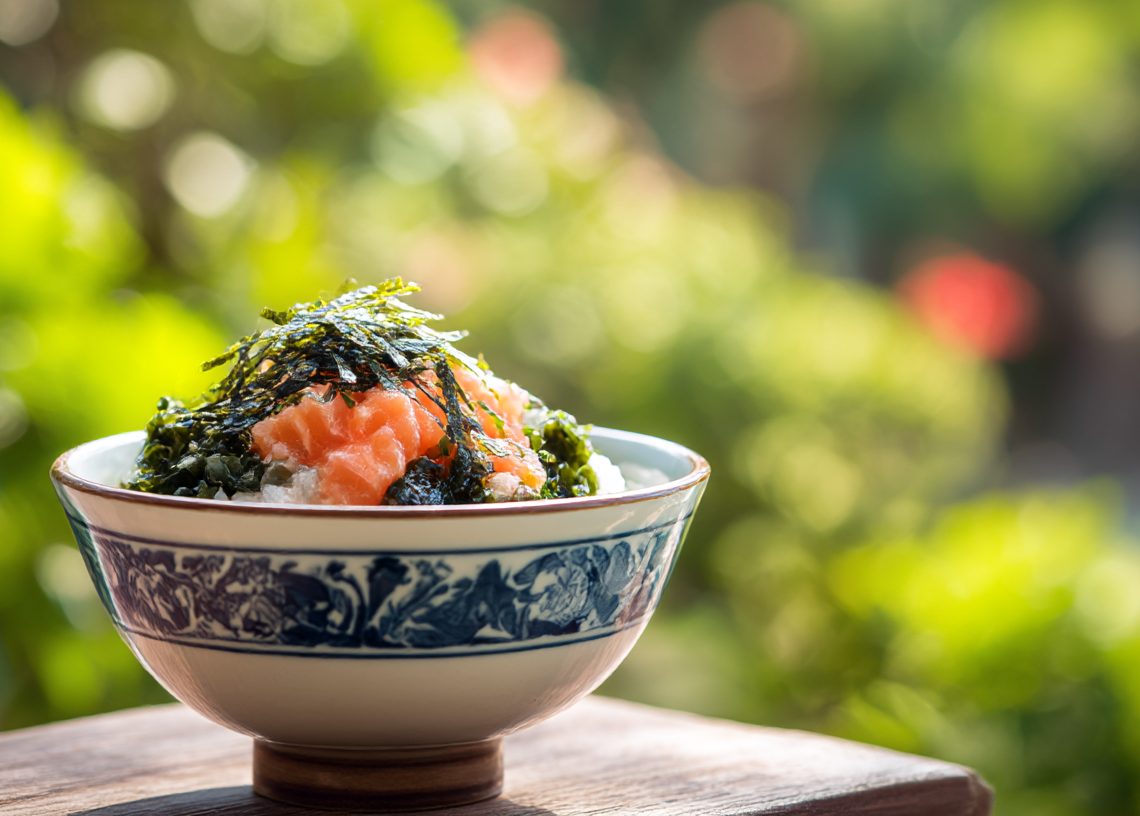
It was the summer of 1997, my first time in Japan. My father had arranged for me to stay with his friend in Kumamoto — a doctor who ran a small hospital. His family made me feel welcome right from the start. One morning, I wandered into the kitchen and saw a bowl of leftover rice from the night before, a pot of green tea, and these small paper packets on the table — the kind you get at the supermarket. The doctor’s wife tore one open, sprinkling its mix of dried seaweed, tiny rice crackers, and powdered seasoning over the rice. She poured in the tea and passed the…