Two Cows, Two Stories: What a Decade-Old Souvenir Taught Me About Japan
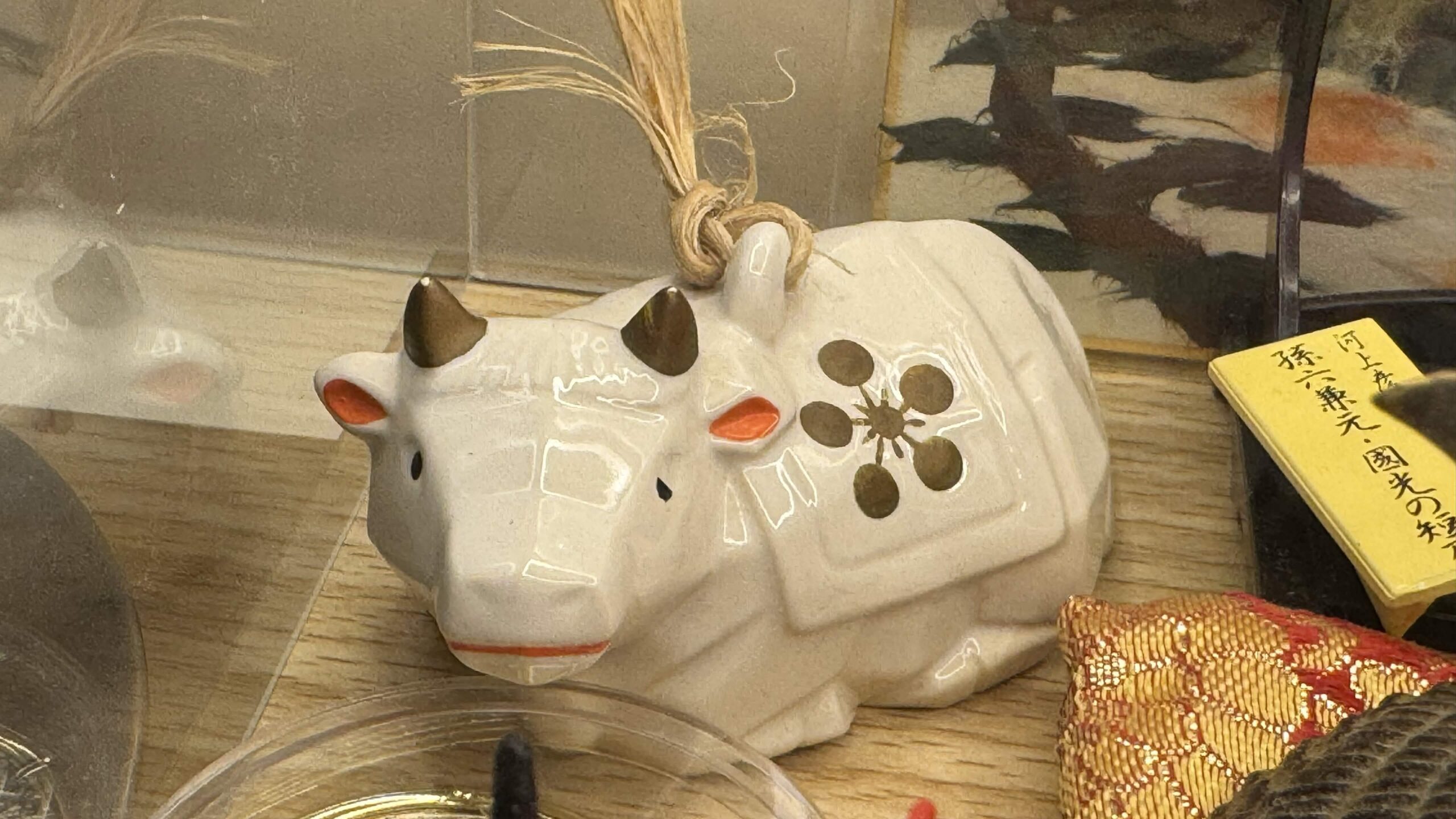
I was digging through a box of old travel mementos the other day when I found them again—two small cow figurines I bought in Japan over a decade ago. One white, one black. At the time, I didn’t think much about them beyond “these look nice.” But finding them again made me curious. Why cows? Why these two? So I started digging.
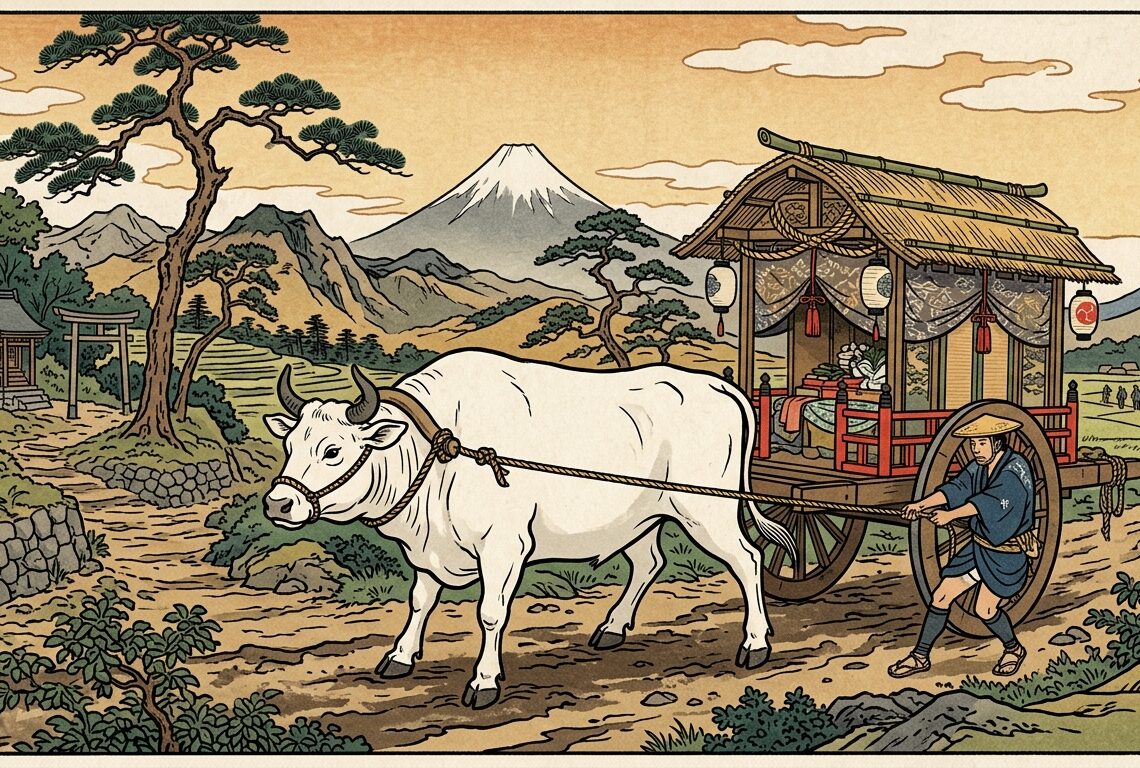
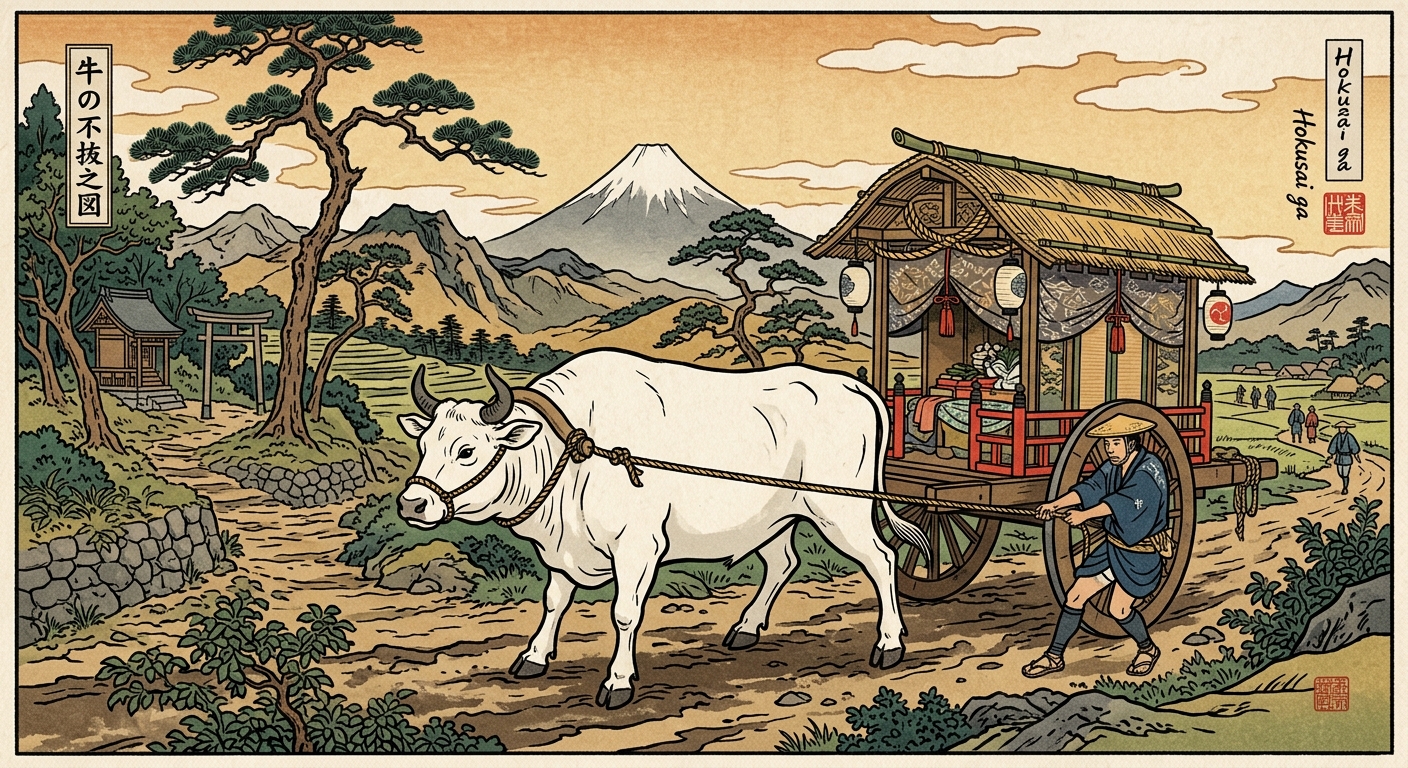
The white one, I now know, came from Dazaifu Tenmangu—a shrine in Fukuoka I’d visited on that trip. It’s a sacred place, famous for its ox statues scattered throughout the grounds. The legend says an ox stopped pulling a funeral cart centuries ago, refusing to move until the body of Sugawara no Michizane was buried right there. That spot became the shrine.
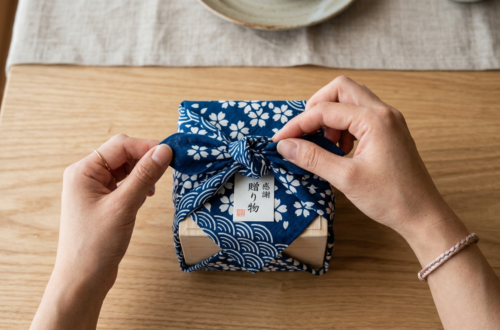
The white cow I bought was blessed there—a Year of the Ox amulet representing perseverance, wisdom, and academic success. I remember the wooden box it came in now, the careful way it was presented.
The black one has a completely different story. I bought it at a department store, probably in Osaka. No shrine blessing, no sacred legend—just a well-made ceramic figurine from Japan’s post-war export era. It represents the same zodiac animal, the same patience and hard work, but in an everyday, accessible way. Folk craft rather than sacred object.
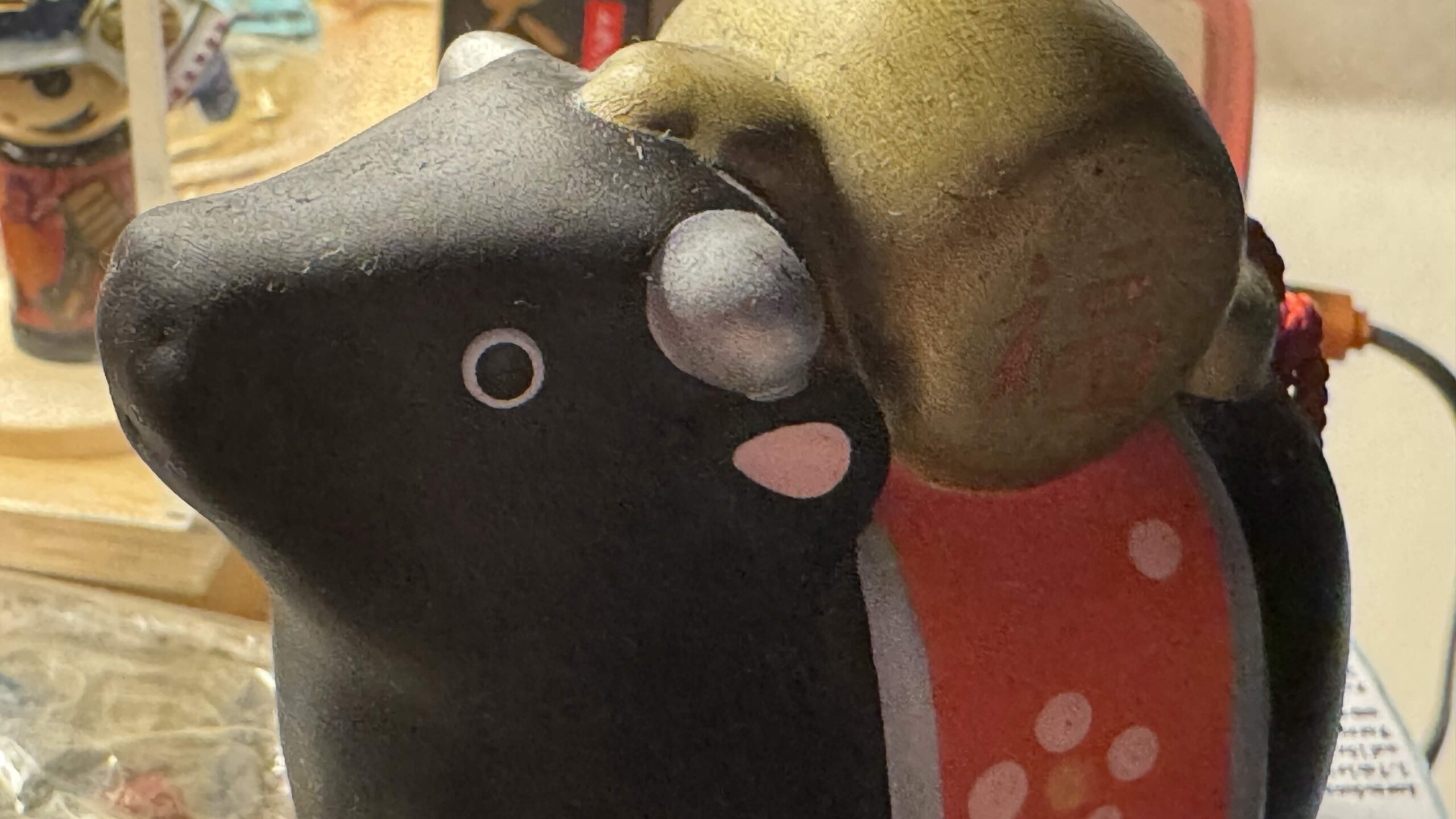
What strikes me now is how perfectly they complement each other. One sacred, one secular. One blessed, one bought. Together they tell a complete story of Japanese culture—the spiritual traditions that run deep, and the everyday craftsmanship that makes those traditions accessible to everyone. I didn’t know any of this when I bought them. But I’m glad I kept them.


You May Also Like
Castles Made of Wood
Japan’s Hidden Spirit World: How Yōkai Became Part of Everyday Life