Washoku: Why Japan’s Young Generation is Rediscovering Traditional Food
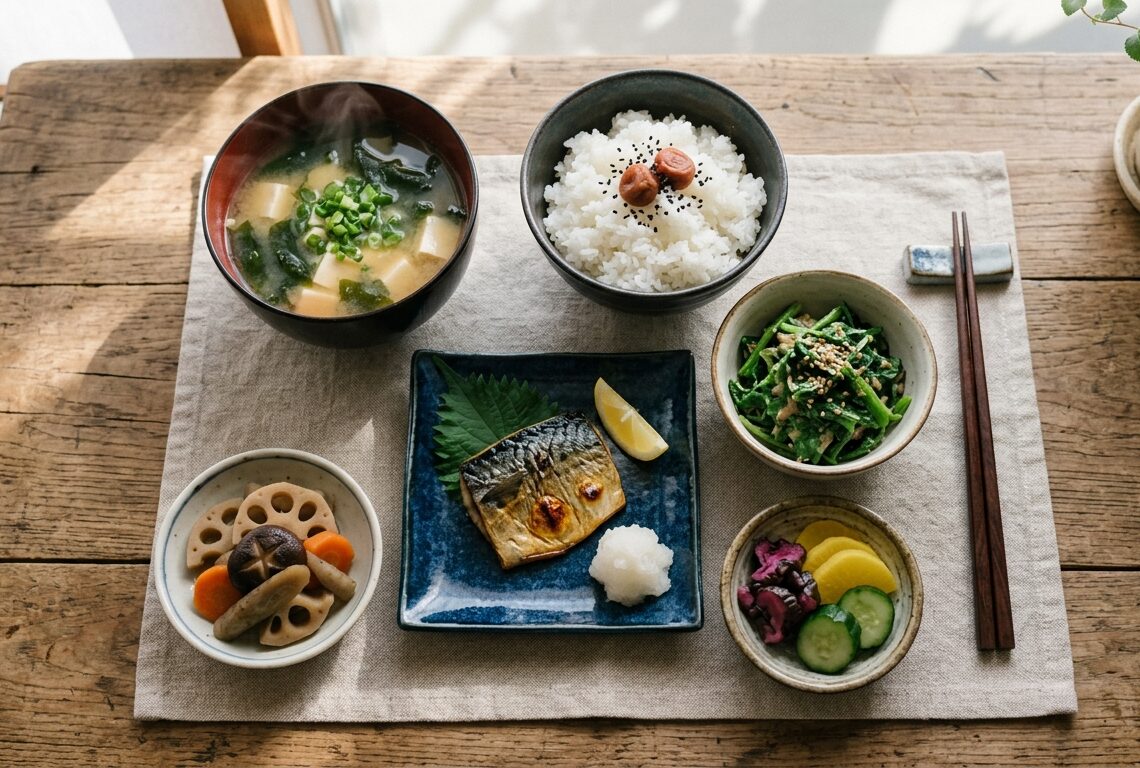
I was browsing a Japanese cookbook in a bookstore last week, admiring the beautiful photography, when something struck me. These intricate dishes—following the “one soup, three sides” structure, presented on seasonal tableware—felt completely foreign to me. Not in a bad way, but in a way that made me realize how little I knew about a cuisine I’d only experienced in restaurants.
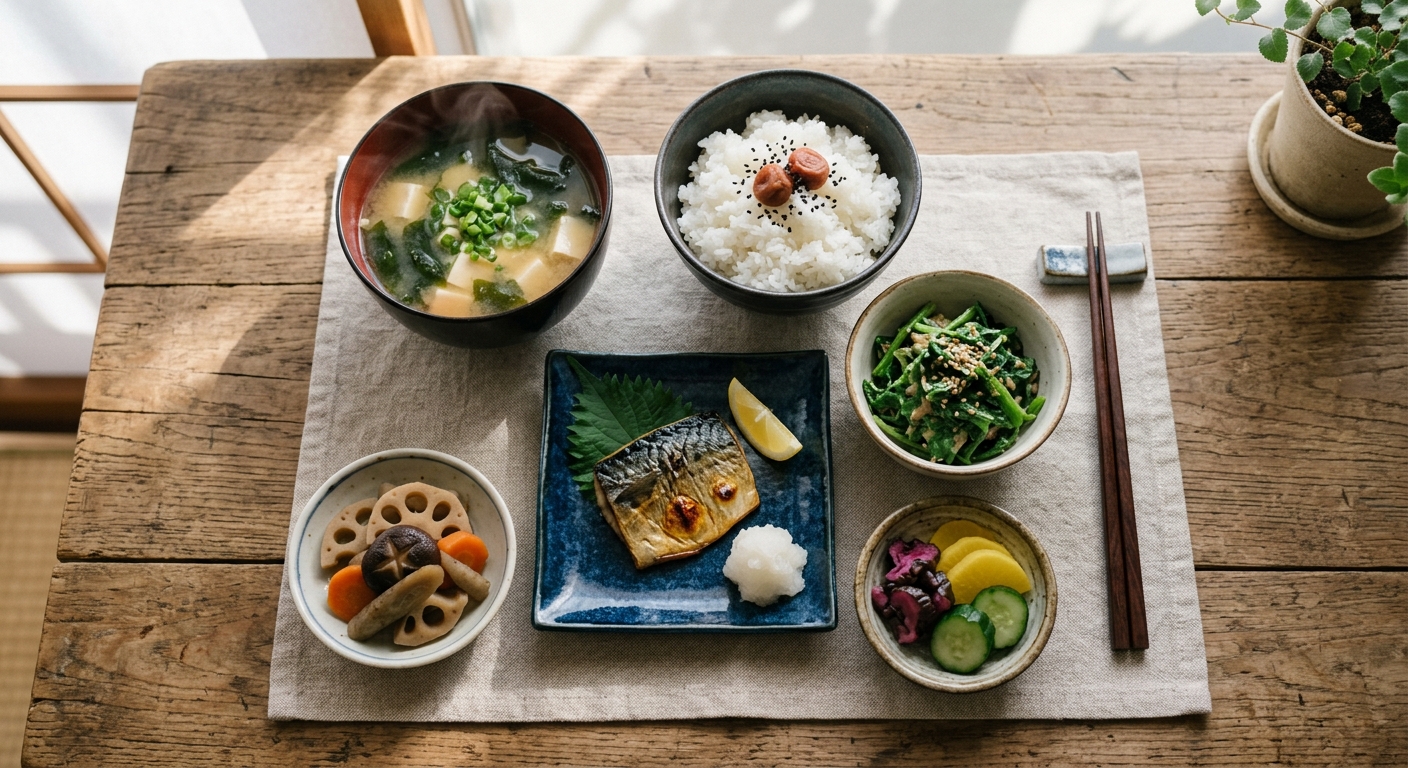
In 2013, UNESCO recognized Washoku—Japan’s traditional dietary culture—as an Intangible Cultural Heritage. It emphasizes fresh, seasonal ingredients at their peak (shun), nutritional balance, and artistic presentation. The “Wa” in Washoku means harmony—promoting bonds among family and community through shared meals.
But here’s the paradox: while the world celebrates Washoku, something is happening inside Japan. Home cooking is declining. Younger generations are eating less traditional food at their own tables. The very culture UNESCO sought to preserve is quietly slipping away.
The Japanese government noticed. They’ve launched “Wa-Shokuiku” programs combining food education with traditional cuisine, targeting young people who might reconnect with their culinary heritage. Cooking classes. School programs. Documentaries. All trying to pass the torch.
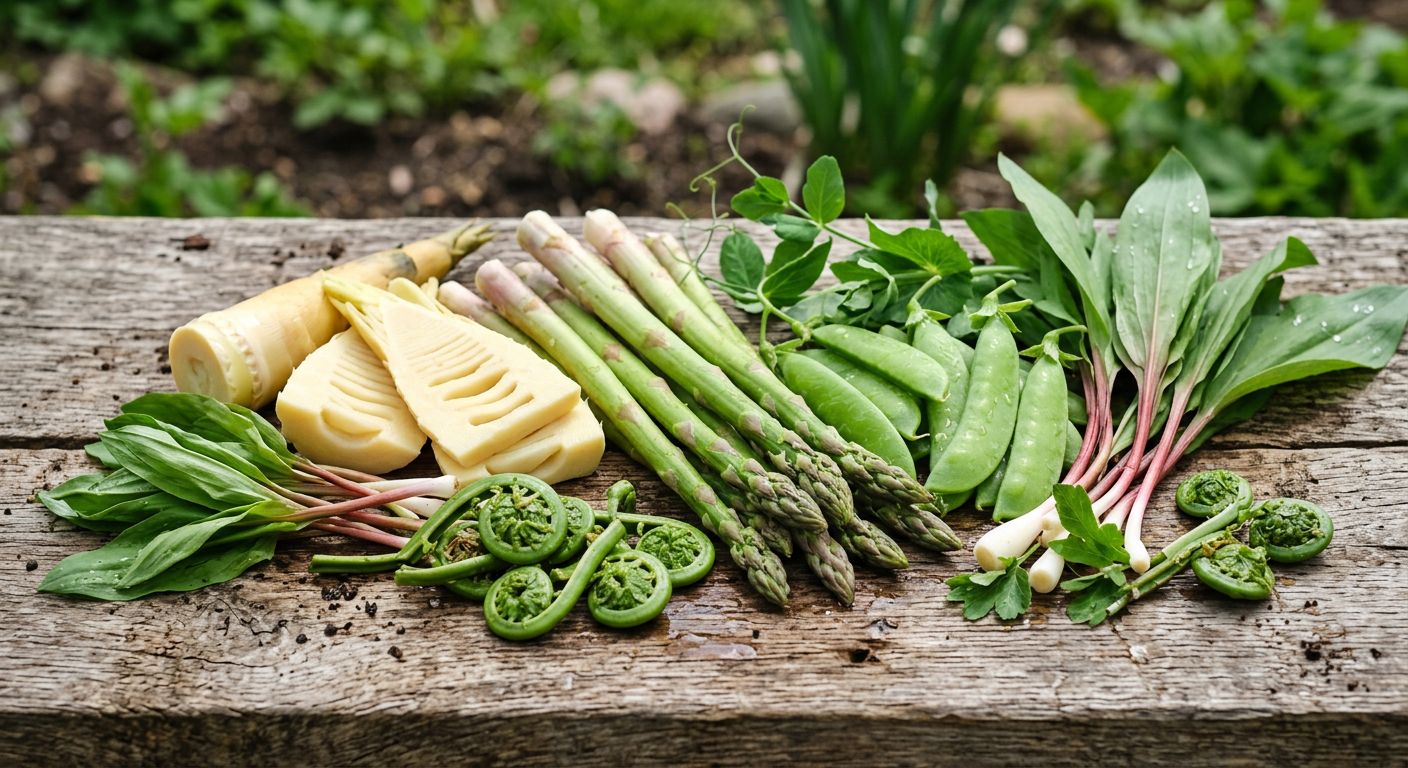
But Washoku isn’t just recipes—it’s a way of understanding nature. The concept of “shun” means enjoying foods at their absolute peak. March brings subtle spring: bamboo shoots, wild vegetables, cherry blossom sea bream. Each ingredient has its moment.
This patience, this attunement to natural cycles, conflicts with modern convenience. Why spend hours on traditional meals when convenience stores offer everything instantly?
Yet I’m seeing signs of a shift. Young Japanese are rediscovering Washoku not as obligation, but as choice. They’re learning traditional methods, visiting farms, sharing meals online—not as performance, but as genuine appreciation.
What they’re finding is connection. To seasons. To land. To those who came before.
I don’t know if this movement will reverse the decline. But I’m watching. Because if a generation can bridge centuries of culinary wisdom with modern life, they might teach us all something about truly nourishing ourselves.


You May Also Like
A Bowl of Tea and Rice That Changed My Morning in Kumamoto