Castles Made of Wood
I’ve always been fascinated by the beauty of Japanese castles.
In 2025, I finally got to see them for myself. Three in one trip — Hiroshima, Osaka, and Himeji. Each one felt different, but they all shared something I hadn’t expected.
They didn’t look like fortresses. They looked like something out of a story.
The first thing that struck me was the material.
European castles are stone. Massive, solid, built to take a beating. Japanese castles sit on stone foundations — huge granite blocks fitted together without mortar — but everything above that is wood.
Wood. In a country that has earthquakes. And typhoons. And fires.
It seemed like a contradiction. Then I learned why.
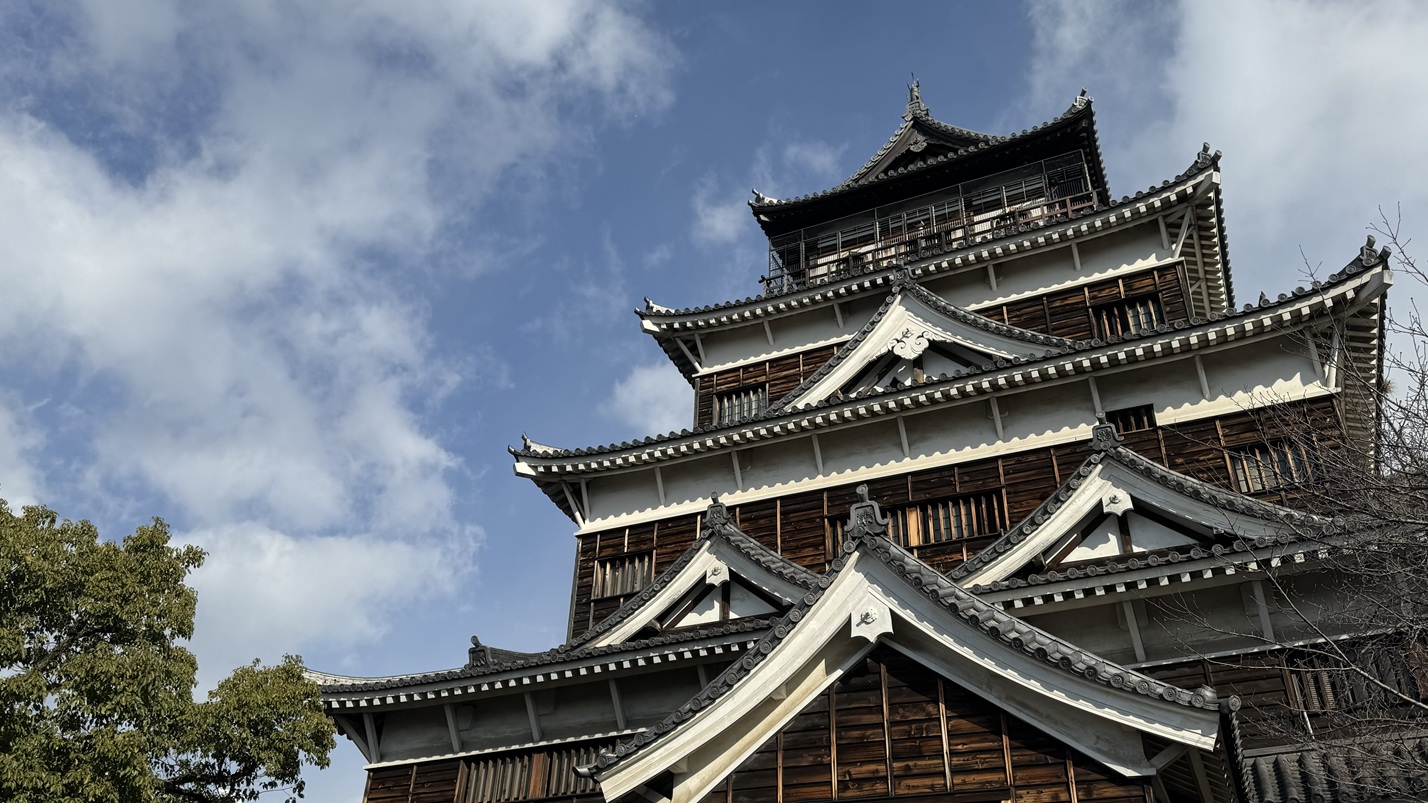
Wood flexes. When the ground shakes, a wooden building sways and holds. Stone cracks. Wood also meant these castles could be rebuilt quickly — and they often were. Fires, lightning strikes, warfare. The castles at Osaka and Hiroshima burned down multiple times. What stands there now are reconstructions.
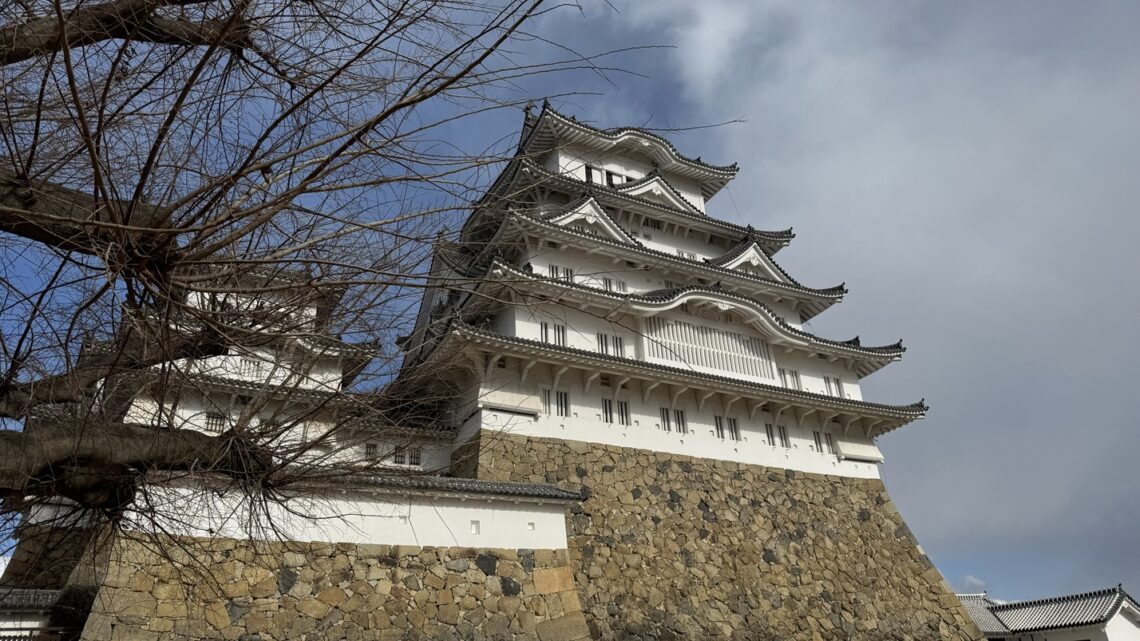
Only twelve original keeps survive in all of Japan. Himeji is one of them.
Himeji felt different from the others.
It’s called the “White Heron” — white plaster walls, elegant roofs layered like wings. It never burned. Never collapsed. The same wooden tower that stood there in 1609 is still standing today.
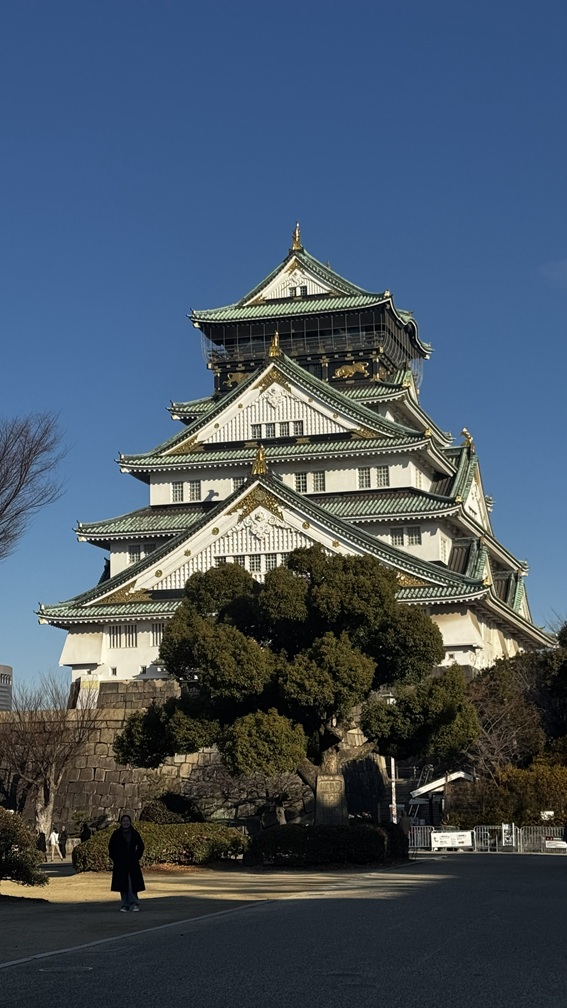
Osaka Castle, by comparison, is a 1931 reconstruction. Concrete inside, modern elevator, museum displays. Beautiful, but not the same. Hiroshima Castle was rebuilt in 1958 after the atomic bomb destroyed it.
Three castles. One original. Two replicas. Standing side by side in my memory.
I used to think castles were built for war.
The Japanese ones weren’t. Not really.
They were status symbols. Power projections. The daimyo who built them wanted everyone to see exactly how powerful he was. The higher the tower, the steeper the stone walls, the more elaborate the design — the more authority it projected.
Most of them never saw battle. Osaka Castle was attacked once, in 1615, and that was more about politics than warfare. After that, the shogun banned new castle construction. One castle per daimyo. Repairs only with permission. The golden age of Japanese castle building lasted just 63 years.
Standing in front of Himeji, I understood something.
These weren’t fortresses. They were statements.
A wooden tower on a mountain of stone. Ornamental dolphins on the roof to ward off fire. Curved eaves, white walls, layered roofs climbing toward the sky. Every detail was designed to be seen — to impress, to intimidate, to say: this is what power looks like.
Not thick walls meant to absorb cannon fire. Not a keep designed to survive a siege.
Just beauty, elevated on stone. A statement in wood and plaster that somehow lasted four hundred years.

You May Also Like
The Deer I Almost Met

Anime Fans! Initial D Sequal – MF Ghost