The 7% Secret: How Tax Law Created Japan’s Grapefruit Alcohol Boom
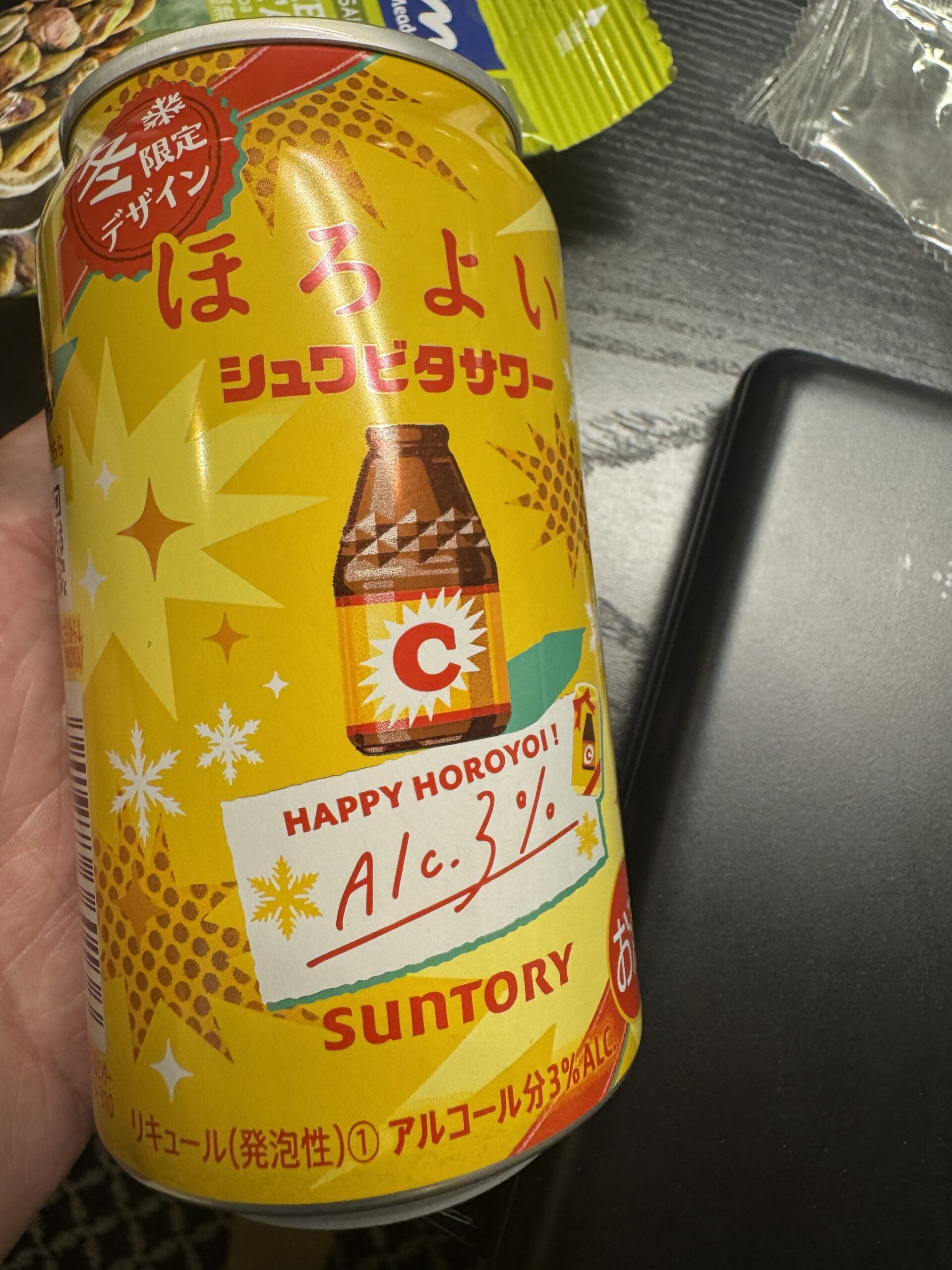
Walk into any Japanese convenience store and you’ll see a wall of colorful cans: grapefruit chu‑hai, energy‑drink cocktails, and carbonated Highballs, most clocking in at exactly 5–7% ABV. These neatly packaged drinks account for over 60% of Japan’s alcohol market, yet few realize their existence hinges on a clever tax structure. What looks like a casual beverage aisle is actually the product of a century‑old tax system that shaped an entire drinking culture.
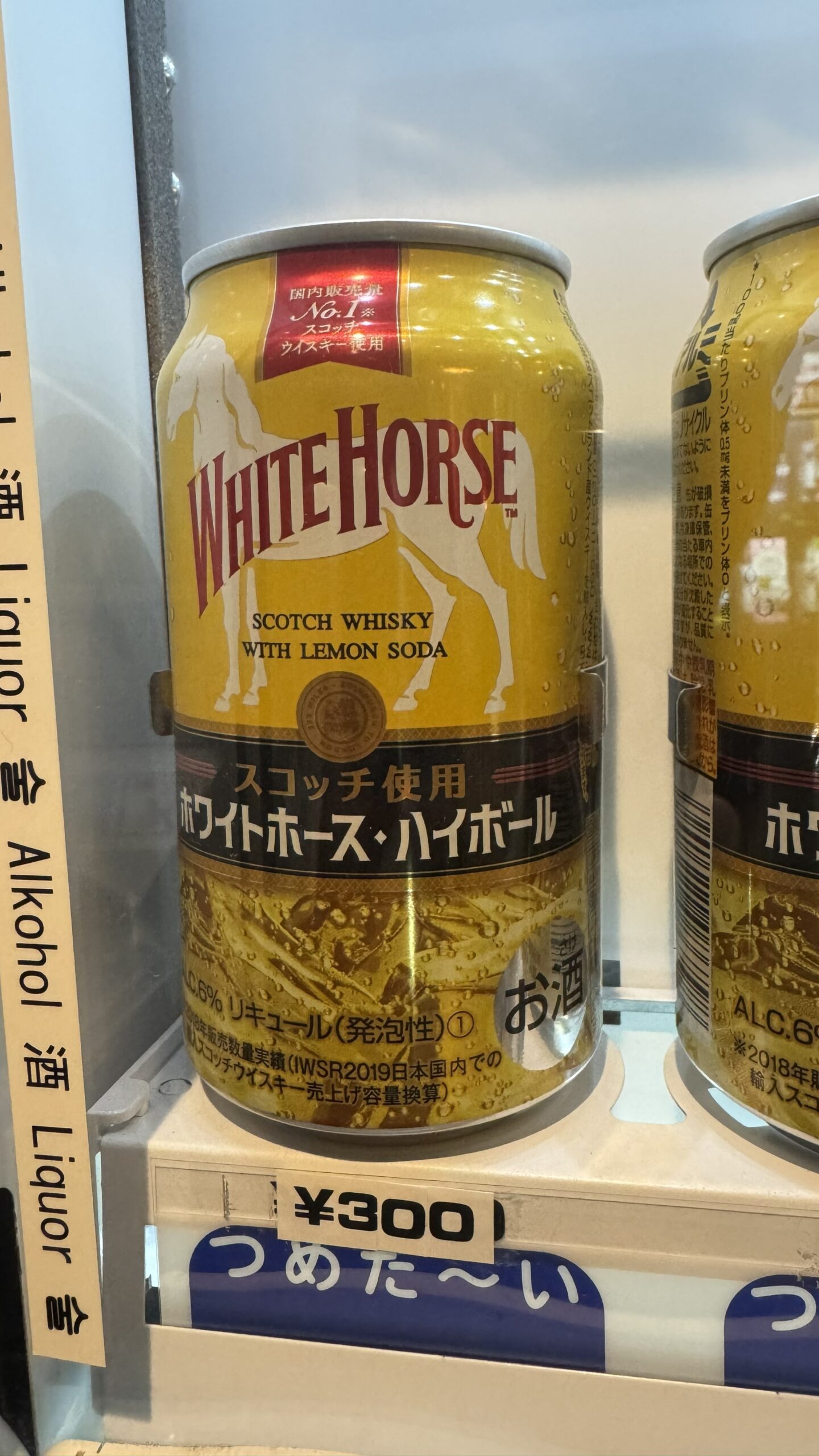
Japan’s alcohol tax is levied by malt percentage and type. Beer (≥67% malt) pays the highest rate (~¥240/L), while “happoshu” (low‑malt sparkling alcohol, ≤25% malt) and certain shochu‑based RTDs face much lower duties (~¥150/L). To stay in the cheaper bracket, manufacturers keep malt below 25% and ABV at or below 7%—the point where tax increases significantly. This 7% cap isn’t arbitrary; it’s the sweet spot that allows a full‑flavored, intoxicating drink to be sold for ¥100–150 per can.
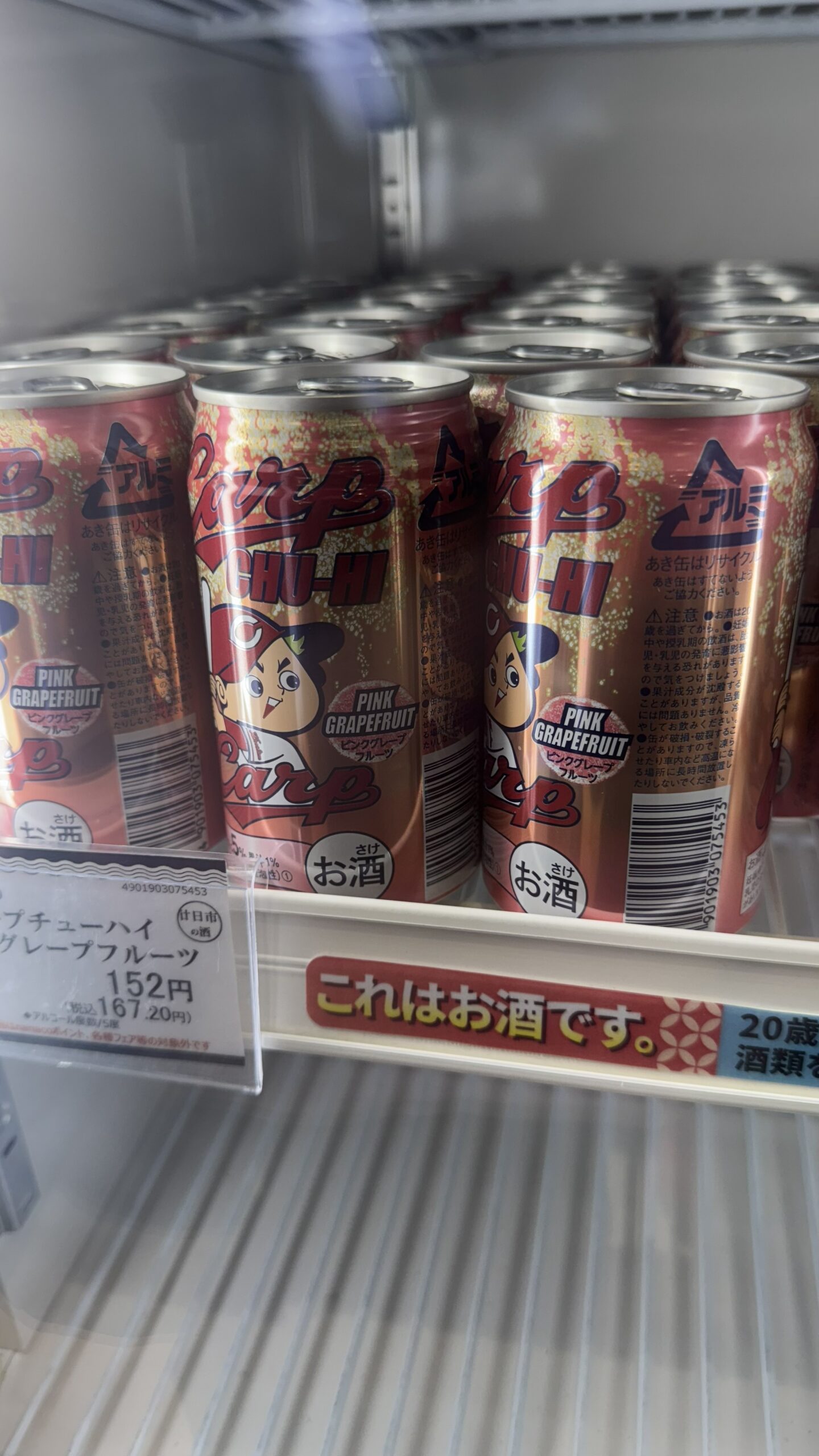
Grapefruit chu‑hai dominates this category. Brands like Suntory Strong Zero and Kirin Clear blend barley or sweet potato shochu with soda, a splash of real grapefruit juice, and just enough sweetness to balance the 7% punch. The citrus’s bitterness masks the alcohol, making it dangerously drinkable. It’s the perfect storm: low tax, high refreshment, and a flavor that appeals to both men and women breaking from traditional sake or beer.
Energy‑drink hybrids extend the formula further—mixing caffeine, taurine, and chu‑hai in a single can. In Japan, this combination fits within a culture of moderate, responsible drinking, where such beverages are enjoyed as a social pick‑me‑up rather than for heavy intoxication. It’s another example of Japanese alcohol innovation tailoring products to local tastes and regulations, creating a unique segment you won’t find anywhere else in the world.


You May Also Like

The Deer I Almost Met
Japan’s Hidden Spirit World: How Yōkai Became Part of Everyday Life