
The Gate Between Worlds: Japan’s Torii
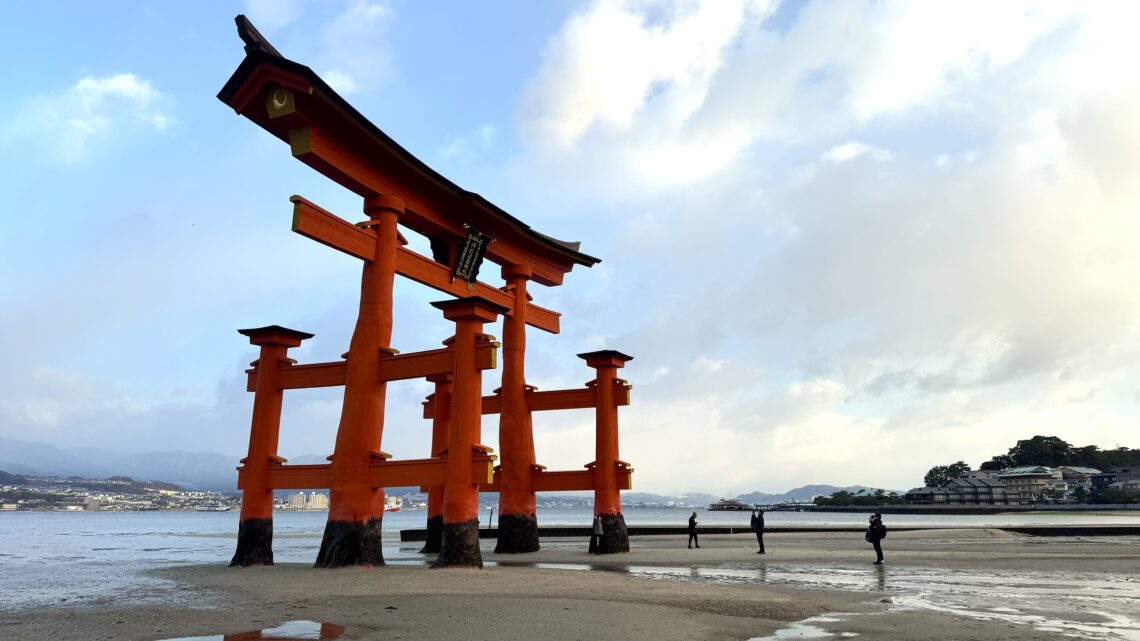
Standing before the floating torii at Itsukushima in January 2025, I watched the vermilion gate rise from the tide like a threshold between what we know and what we don’t. No other structure in Japan marks the sacred so simply — two posts, a lintel, a tie-beam. Yet this unadorned frame carries weight that temples and castles cannot.
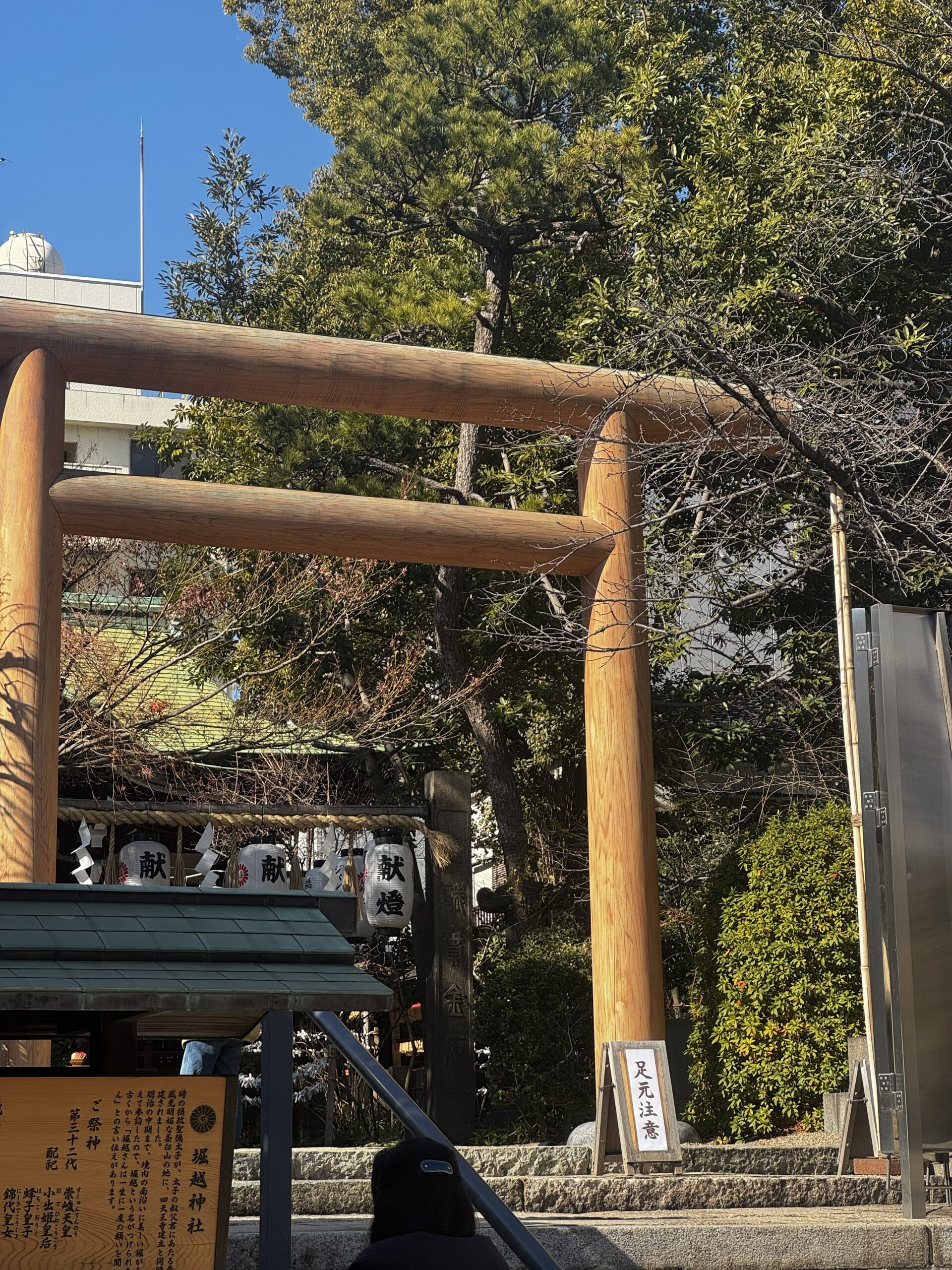
Torii have stood at shrine entrances since at least 922 AD, though their roots may stretch further. The oldest surviving stone torii dates to the 12th century at a Hachiman shrine in Yamagata Prefecture; the oldest wooden example is from 1535 at Kubō Hachiman Shrine in Yamanashi. Scholars believe their origins trace to the Indian torana — a free-standing ceremonial gateway in Buddhist architecture. The name itself is mysterious. One theory: torii means “bird perch.” Ancient Japanese texts connect birds with the dead — the legendary prince Yamato Takeru, after death, became a white bird that chose the site of his burial. His tomb is still called the White Bird Mausoleum. Some scholars believe this bird-death connection explains why the bird figures once attached to early torii eventually vanished: in Shinto, death brings defilement (kegare), and birds were associated with the dead. It’s a compelling theory, though not proven.
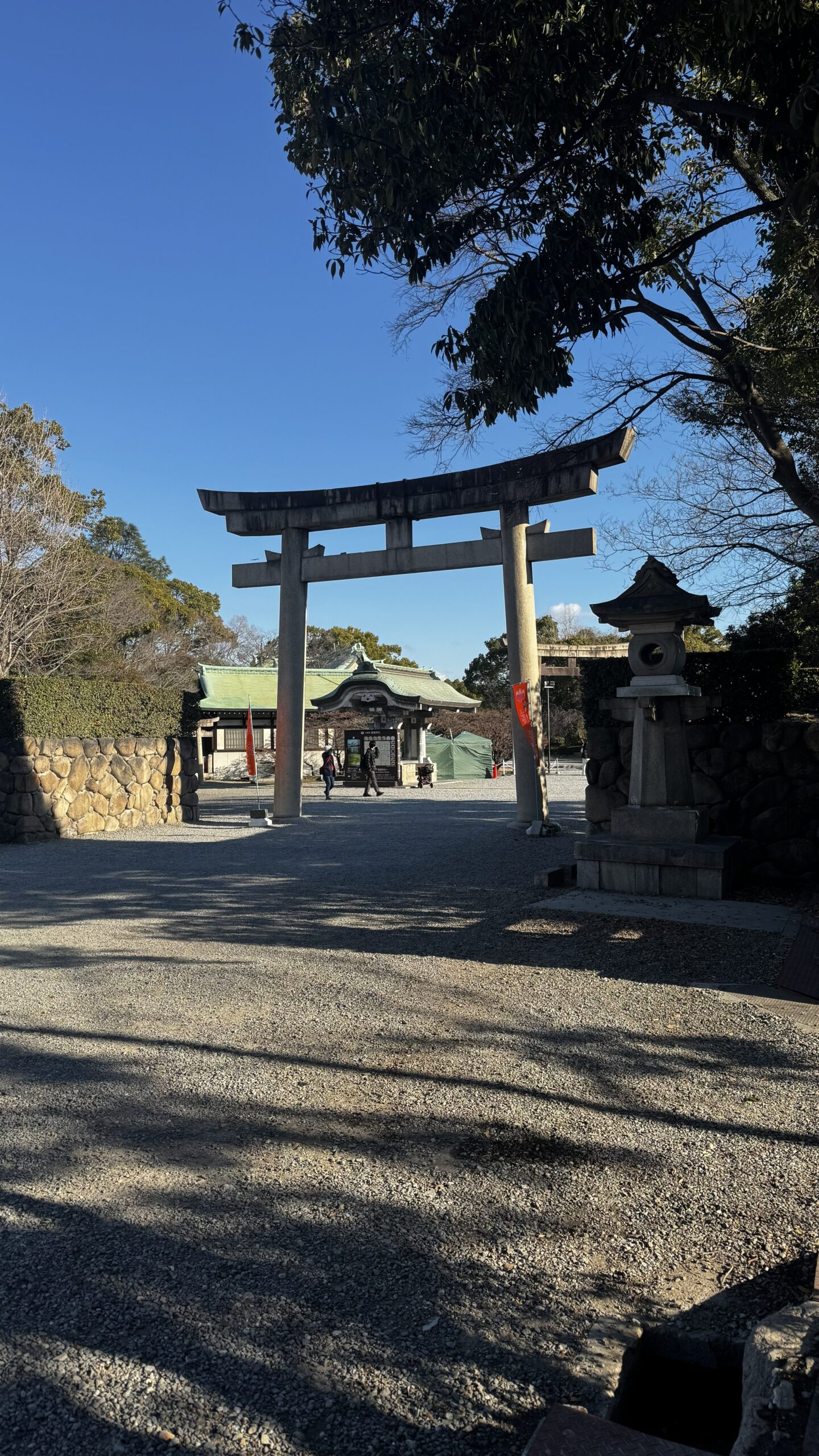
Japan is full of variations on the standard form. At Sannō Shrine in Nagasaki, a one-legged torii stands as a direct result of the atomic bomb blast on August 9, 1945 — one column knocked down, the other somehow remaining upright, the gate broken but still standing. Then there’s the mihashira torii — three pillars forming a triangular structure. Some scholars believe early Japanese Christians built these to represent the Holy Trinity. A private garden in Kyoto still has one, where Christian families claim it served as a hidden symbol during the centuries Christianity was banned. And at Fushimi Inari Shrine in Kyoto, thousands of donated vermilion gates form a tunnel that takes hours to walk — each placed by a grateful business, the donors’ names painted on the crossbar.
What strikes me most about the torii is what they represent: a deliberate pause between the ordinary and the sacred. The gate doesn’t block — it welcomes. You pass through, and something shifts. Standing in that January tide at Itsukushima, I understood why the Japanese never attached doors. The threshold is meant to be crossed, not closed.


You May Also Like
A Godzilla Fan’s Adventure

A Farewell to Yokohama’s Gundam Factory